أطباء بلا حدود تحذر من إنهيار الأوضاع الصحية في السودان
Doctors Without Borders warns of the collapse of health conditions in Sudan
. حذرت منظمة (أطباء بلا حدود) من أن الوضع الصحي في السودان على حافة الانهيار مع تواصل الحرب في البلاد.
وقالت المنظمة في بيان إن النظام الصحي في السودان على حافة الانهيار، ونوهت إلى أن الاستجابة غير كافية لتلبية احتياجات الناس الهائلة في المناطق التي يتم فيها تقديم المساعدة.
وأوضحت أن العاملين بالمجال الصحي والمتطوعين السودانيين يكافحون من أجل الاستجابة لاحتياجات الناس الطبية.
Doctors Without Borders has warned that the health situation in Sudan is on the verge of collapse as the war continues in the country.
The organization said in a statement that the health system in Sudan is on the verge of collapse, and noted that the response is insufficient to meet the enormous needs of people in the areas where assistance is provided.
She explained that Sudanese health workers and volunteers are struggling to respond to people’s medical needs.
وقال الرئيس الدولي لمنظمة أطباء بلا حدود كريستوس كريستو، وفقا للبيان، إن أزمة السودان تجسد فشلا كارثيا للإنسانية”.
وأضاف “يعاني النظام الصحي الهش في كافة أنحاء السودان من ازدحام غرف الطوارئ، إذ أغلق العديد من المستشفيات أبوابه بالكامل”.
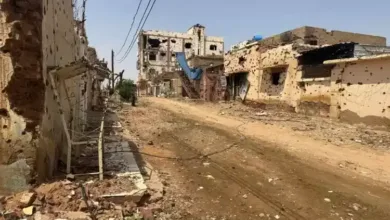
وتابع “في العاصمة الخرطوم تشهد الفرق الطبية التابعة لمنظمة أطباء بلا حدود واحدة من أشد النزاعات الحضرية التي تدور حاليًا في جميع أنحاء العالم، إذ تصل أعداد كبيرة من المصابين إلى المستشفيات مصابين بجروح تهدد حياتهم، مما لا يترك أمام الطاقم الطبي في كثير من الأحيان أي خيار سوى البتر”.
Christos Christou, international president of Doctors Without Borders, said, according to the statement, “The Sudan crisis embodies a catastrophic failure of humanity.”
He added, “The fragile health system throughout Sudan suffers from overcrowding in emergency rooms, as many hospitals have completely closed their doors.”
He continued, “In the capital, Khartoum, MSF medical teams are witnessing one of the most severe urban conflicts currently taking place around the world, as large numbers of injured people arrive at hospitals with life-threatening wounds, which often leaves the medical staff with no choice but to… There is no choice but to amputation.”
من جانبها، قالت رئيسة بعثة منظمة أطباء بلا حدود في السودان فراوكي أوسيغ “نشهد وصول حالات حرجة إلى المستشفى بسبب نقص الأدوية، وخاصة المرضى الذين يعانون من أمراض مثل السكري، بحلول الوقت الذي يصلون فيه إلينا، غالبا ما يكون أمامنا القليل جدا الذي يمكننا القيام به لمساعدتهم أو إنقاذهم”.
ودعت أطباء بلا حدود إلى زيادة كبيرة في الجهود المبذولة لتقديم المساعدات الإنسانية، وحماية العاملين في المجال الطبي والإنساني والمدنيين وإزالة “العوائق الإدارية” أمام الطواقم الطبية والإنسانية والإمدادات للسماح للناس بالحصول على المساعدات دون معوقات.
وأقر وزير الصحة السوداني هيثم محمد إبراهيم بتدهور الصحة العامة في السودان بسبب تأثيرات الحرب وانتشار أمراض ووبائيات.
For her part, the head of the MSF mission in Sudan, Frauke Osig, said, “We are witnessing the arrival of critical cases to the hospital due to a lack of medicines, especially patients suffering from diseases such as diabetes. By the time they reach us, we often have very little that we can do.” “to help them or save them.”
MSF called for a significant increase in efforts to provide humanitarian aid, the protection of medical and humanitarian workers and civilians and the removal of “administrative barriers” to medical and humanitarian staff and supplies to allow people to access aid without hindrance.
Sudanese Minister of Health Haitham Mohamed Ibrahim acknowledged the deterioration of public health in Sudan due to the effects of war and the spread of diseases and epidemics.
وقال إبراهيم وفقا لبيان صادر عن وزارة الصحة السودانية أدى التدهور في وضع الصحة العامة إلى ظهور أوبئة كالملاريا والحميات الأخرى والإسهالات وبعض أمراض الطفولة.
وأضاف يواجه السودان تحديات عديدة، بما في ذلك الفقر والمرض والنزاعات المستمرة، وقد فرضت الحرب تأثيرات سالبة”.
وأعلنت وزارة الصحة السودانية في وقت سابق تسجيل إصابات بحمي الضنك والملاريا والكوليرا بمناطق مختلفة في البلاد.
ومنذ 15 أبريل الماضي، يخوض الجيش السوداني وقوات الدعم السريع اشتباكات عنيفة في العاصمة الخرطوم ومدن أخرى.
Ibrahim said, according to a statement issued by the Sudanese Ministry of Health, that the deterioration in the public health situation has led to the emergence of epidemics such as malaria and other fevers, diarrhea, and some childhood diseases.
He added, “Sudan faces many challenges, including poverty, disease, and ongoing conflicts, and the war has had negative impacts.”
The Sudanese Ministry of Health announced earlier that cases of dengue fever, malaria and cholera had been recorded in various regions of the country.
Since last April 15, the Sudanese army and the Rapid Support Forces have been engaged in violent clashes in the capital, Khartoum, and other cities.