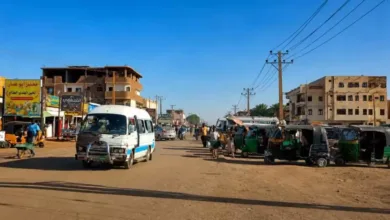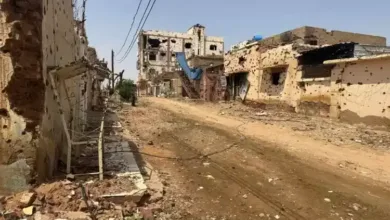
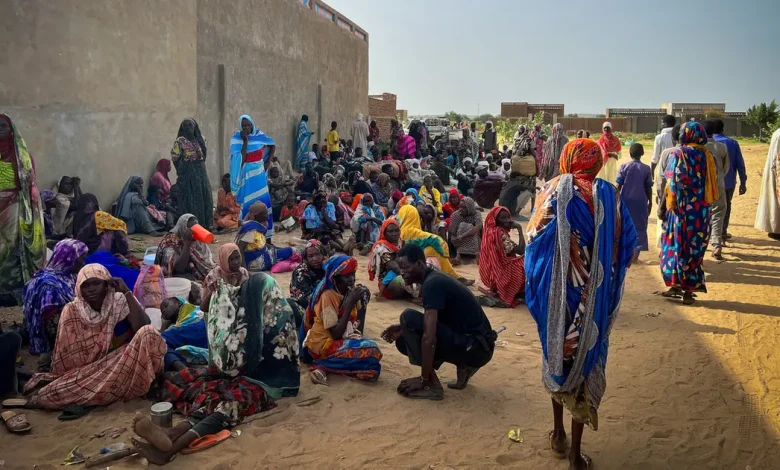
حسب متابعات محرر “سودان لايف نيوز” نشر موقع “العربية” خبر عن يقول “وسط الحرب.. أكثر من ألف إصابة بالكوليرا والضنك في السودان”
فيما يعاني السودان منذ 6 أشهر من حرب دامية بين الجيش وقوات الدعم السريع، وسط تدفق للنازحين، وشح المساعدات الطبية، بدأت إصابات الكوليرا والضنك تتفشى.
According to the observations of the editor of “Sudan Live News”, the “Al Arabiya” website published a news story saying, “In the midst of the war… more than a thousand cases of cholera and dengue in Sudan.”
While Sudan has been suffering for 6 months from a bloody war between the army and the Rapid Support Forces, amid an influx of displaced people and a scarcity of medical aid, cases of cholera and dengue have begun to spread.
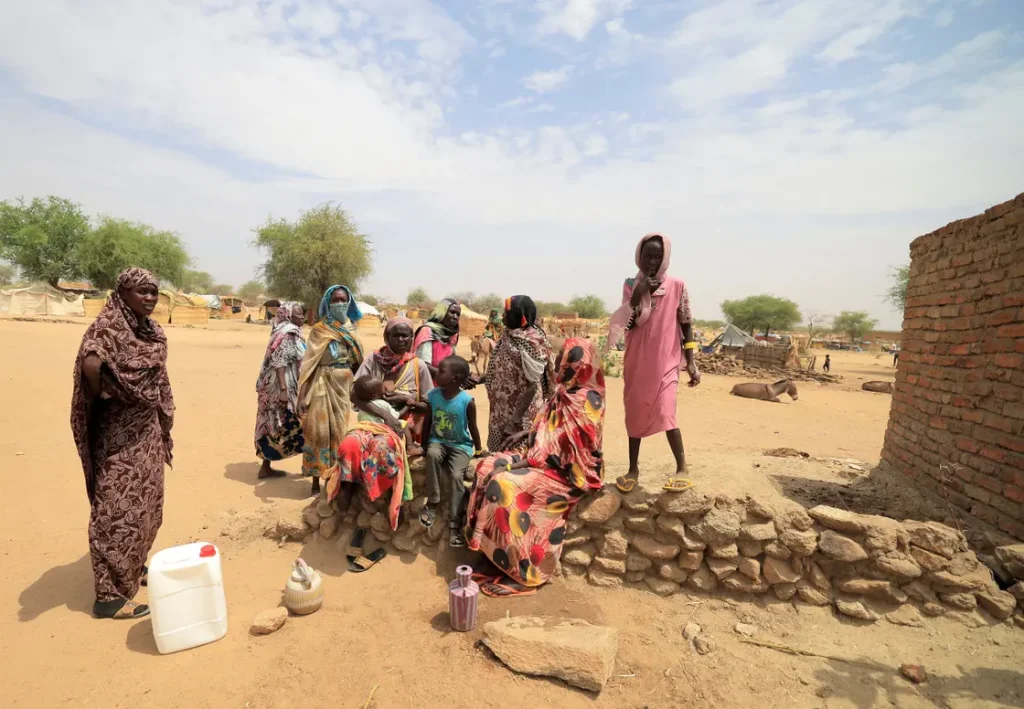
فقد أوضح وزير الصحة السوداني هيثم إبراهيم، للعربية/الحدث، اليوم السبت، تسجيل قرابة 800 إصابة بحمى الضنك حتى الآن، علماً أن نقابة الأطباء أعلنت قبل أيام أن عدد الإصابات في ولاية البحر الأحمر لا يقل عن ثلاثة إلى خمسة آلاف، أما في بورتسودان فهناك حوالي ألف إصابة، معظمهم من الأطفال”.
The Sudanese Minister of Health, Haitham Ibrahim, explained to Al Arabiya/Al-Hadath, today, Saturday, that nearly 800 cases of dengue fever have been recorded so far, noting that the Medical Syndicate announced a few days ago that the number of infections in the Red Sea State is no less than three to five thousand, while in Port Sudan there are “About a thousand injuries, most of them children.”
الصحة العالمية تتحرك
وكانت منظمة الصحة العالمية أعلنت، أمس الجمعة، أنها نشرت فرق الاستجابة السريعة بالمناطق المتضررة من تفشي الكوليرا في السودان، مشيرة إلى أنها تعمل على دعم وزارة الصحة لنقل عينات من الحالات المشتبه بها إلى مختبر الصحة العامة في بورتسودان المعتمد من قبل المنظمة.
كما أوضحت أنها تنسق الجهود مع الوزارة من أجل زيادة توفير المياه النظيفة ومرافق الصرف الصحي وتوعية المجتمعات المتضررة والمعرضة للخطر بمخاطر انتقال العدوى.
أتى هذا التفشي فيما تعاني البلاد أصلاً من شح المساعدات الطبية والفيضانات في بعض المناطق قبل الحرب حتى.
Yesterday, Friday, the World Health Organization announced that it had deployed rapid response teams in the areas affected by the cholera outbreak in Sudan, noting that it was working to support the Ministry of Health to transfer samples of suspected cases to the public health laboratory in Port Sudan accredited by the organization.
She also explained that she is coordinating efforts with the Ministry to increase the provision of clean water and sanitation facilities and educate affected and at-risk communities about the risks of transmission of infection.
This outbreak came as the country was already suffering from a scarcity of medical aid and flooding in some areas even before the war.
إلا أن الصراع الذي اندلع منذ منتصف أبريل الماضي فاقم الأمور سوءاً، بسبب النزوح الجماعي لملايين السودانيين داخلياً أو إلى دول الجوار، وانتشار للأمراض وسوء التغذية، بالإضافة إلى الأمطار الغزيرة والفيضانات.
كما أدت الاشتباكات إلى إخراج 70% من المستشفيات في الولايات المتضررة من النزاع عن الخدمة، فيما تعاني البقية من الأعداد الكبيرة من النازحين.
وفي أغسطس الماضي، أعربت المفوضية السامية للأمم المتحدة لشؤون اللاجئين عن قلقها من تدهور الأوضاع الصحية في البلاد، لاسيما في مخيمات اللاجئين ونقاط الدخول الحدودية ومراكز الاستقبال المؤقت في الدول المجاورة.
However, the conflict that broke out since mid-April made matters worse, due to the mass displacement of millions of Sudanese internally or to neighboring countries, the spread of diseases and malnutrition, in addition to heavy rains and floods.
The clashes also led to 70% of hospitals in the states affected by the conflict being out of service, while the rest suffer from large numbers of displaced people.
Last August, the United Nations High Commissioner for Refugees expressed its concern about the deteriorating health conditions in the country, especially in refugee camps, border entry points and temporary reception centers in neighboring countries.