Exclusive: Sudan Live
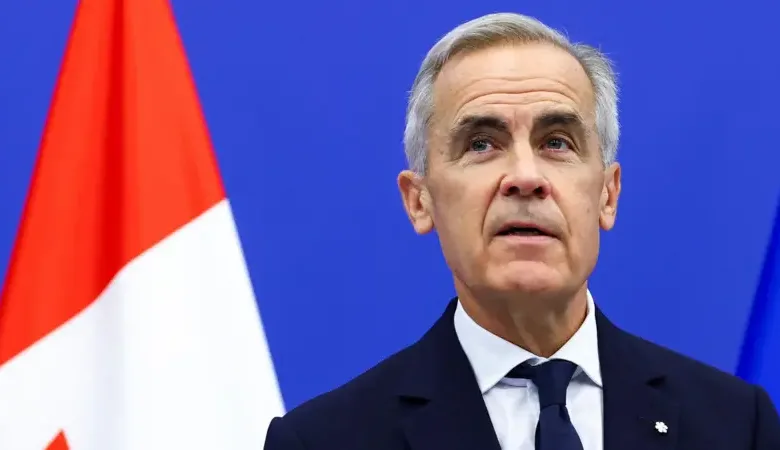
Canadian Prime Minister Mark Carney revealed that his government had examined the possibility of the United States taking military action against Canada. He described this step as part of risk management and planning for worst-case scenarios, though he emphasized that this possibility is not Ottawa’s primary scenario.
In an interview with *The New York Times*, Carney stated that officials in such positions bear the responsibility of considering extreme risks, even when the likelihood of their occurrence is low. He noted that failing to prepare for such a possibility would, in his view, be irresponsible.
The Canadian Prime Minister did not disclose details regarding the measures his government took as part of this assessment, stating only that the matter falls under risk management and does not indicate that his country expects a military confrontation with the United States to break out.
Escalating Tension Between Washington and Ottawa
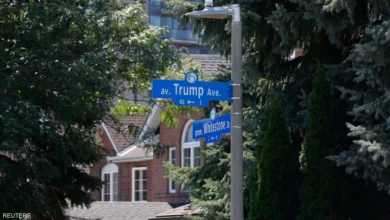
Carney’s remarks come amidst growing tension in Canadian-US relations during the administration of President Donald Trump, particularly following Trump’s repeated comments regarding the possibility of Canada becoming the “51st state” of the United States.
Trade disputes between the two countries have also intensified in recent months, with ongoing disagreements over tariffs and the failure of attempts to reach a new trade agreement in mid-August, prior to Washington and Ottawa imposing reciprocal tariff measures. Despite the disagreements, Carney stated that he continues to speak frequently with Trump, signaling that channels of communication between the two governments remain open despite political and economic tensions.
Canada Reassesses Defense and Economic Strategies
These tensions have coincided with a move by the Canadian government to reduce its reliance on the United States across several strategic areas.
According to the interview, the Canadian government has discussed alternatives to relying on Starlink services and is reviewing plans to purchase American F-35 fighter jets as part of a broader reassessment of defense and technological ties with Washington.
Ottawa is also working to diversify its economic and trade relationships, given the Canadian economy’s continued heavy dependence on the US market.
Sudan Live reported that Carney’s remarks do not imply the Canadian government expects a war with the United States; rather, they reflect what the Prime Minister himself described as addressing “extreme risks” within a risk management framework.
What Do Carney’s Remarks Mean?
The Sudan Live editor noted that the significance of the Canadian Prime Minister’s statements lies in the fact that the Ottawa government has—at least for contingency planning purposes—factored in a highly unlikely military scenario, all while relations between the two nations are strained by escalating trade and political disputes.
At the same time, Carney emphasized that this scenario is not the primary one, nor did he provide details regarding the nature of the preparations he mentioned.
The continued communication between Carney and Trump, despite existing disagreements, indicates that the relationship between the two countries remains a mix of rivalry and discord on one hand, and a recognized need to keep dialogue channels open on the other. The *Sudan Live* editor notes that the Canada-US file is currently shifting toward a phase of re-evaluating economic and defense relations; meanwhile, the possibility of a military confrontation—according to Carney’s own statements—remains a remote prospect rather than an official prediction by the Canadian government.