هذا سبب زيادة معدل وفيات الأطفال في السودان.. وزير يكشف
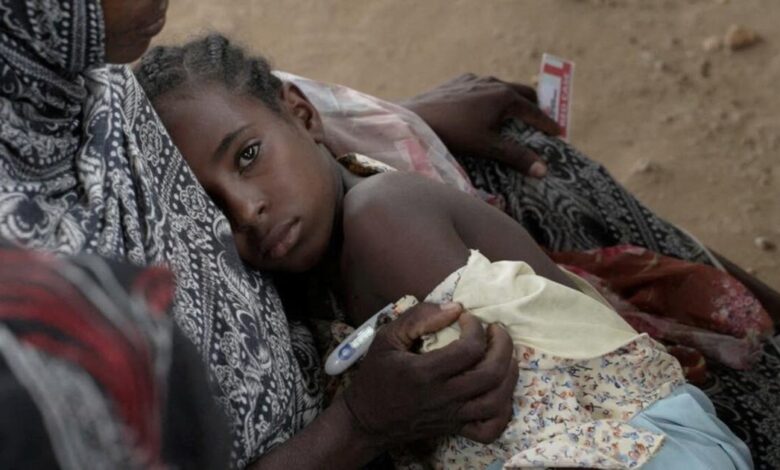
كشف وزير الصحة السوداني هيثم إبراهيم أن معدل وفيات الأطفال زاد مؤخراً في البلاد نتيجة تفشي عدد من الأمراض وسوء التغذية، فضلا عن انخفاض معدلات التحصين.
Sudanese Minister of Health Haitham Ibrahim revealed that the child mortality rate has recently increased in the country as a result of the outbreak of a number of diseases and malnutrition, as well as a decline in immunization rates.
وأضاف امس الاثنين، أن الفترة الأخيرة “شهدت عددا من الأمراض ومعدلات سوء التغذية والتقزم في الأطفال، متجاوزة 30%”، وفق ما نقلته وكالة أنباء العالم العربي.
كما تابع أن بعض الأمراض انتشرت بسبب ضعف التحصين، ومنها مرض الحصبة الذي تفشى بصورة كبيرة جدا خاصة في مخيمات اللاجئين في ولاية النيل الأبيض.
He added yesterday, Monday, that the recent period “witnessed a number of diseases and rates of malnutrition and stunting in children, exceeding 30%,” according to what was reported by the Arab World News Agency.
He also continued that some diseases spread due to poor immunization, including measles, which spread very widely, especially in refugee camps in White Nile State.
انتشار الحصبة
وقال إبراهيم إن الحصبة انتشرت في عشر ولايات سودانية بسبب تدني معدلات التحصين، وإن أكثر من 80% من تلك الحالات كان في مخيمات اللاجئين بالنيل الأبيض، حيث تجاوز عدد الإصابات في الولاية وحدها 3 آلاف حالة.
كما أشار إلى أن معدل وفيات الأطفال قبل الحرب كان 53 من كل ألف، وأن هناك تفاوتا بين الولايات المختلفة.
وأضاف أن من المتوقع في ظل الظروف الحالية أن يكون المعدل أعلى في مخيمات اللاجئين في النيل الأبيض أو النيل الأزرق أو بعض ولايات دارفور.
Measles outbreak
Ibrahim said that measles had spread in ten Sudanese states due to low immunization rates, and that more than 80% of those cases were in refugee camps in the White Nile, where the number of infections in the state alone exceeded 3,000 cases.
He also pointed out that the child mortality rate before the war was 53 out of every thousand, and that there was a disparity between different states.
He added that it is expected that, under the current circumstances, the rate will be higher in refugee camps in the White Nile, Blue Nile, or some states of Darfur.
التهديد الأمني
وحول المخاطر التي تواجه القطاع الطبي، قال إبراهيم إن التهديد الأمني يأتي في المرتبة الأولى، مشيرا إلى أنهم يعانون في إيصال المواد وتقديم الخدمات في ولاية الخرطوم وولايات إقليم دارفور وبعض ولايات إقليم كردفان.
إلى ذلك، أكد إبراهيم أن الوضع الصحي في السودان بصورة عامة أفضل مما كان عليه من قبل، مشيرا إلى أن الخدمات الصحية قد استقرت في تسع ولايات.
Security threat
Regarding the risks facing the medical sector, Ibrahim said that the security threat comes first, noting that they suffer in delivering materials and providing services in Khartoum State, the states of the Darfur region, and some states of the Kordofan region.
In addition, Ibrahim confirmed that the health situation in Sudan in general is better than it was before, noting that health services have stabilized in nine states.
وأضاف “تقريبا استقرت الخدمات في تسع ولايات، وفي ولايات كردفان الثلاث الخدمات فيها شبه مستقرة”.
وقال إن ولايات شمال وشرق دارفور فيها نوع من الاستقرار كذلك، مشيرا إلى أن الولايات “المتأخرة كثيرا” في الخدمات الصحية هي غرب دارفور ووسط دارفور والخرطوم.
وكانت الأمم المتحدة قد أعلنت مؤخرا أن نحو 1200 طفل توفوا جراء الحصبة وسوء التغذية في تسعة مخيمات للاجئين في السودان منذ مايو أيار الماضي.
He added, “Services have almost stabilized in nine states, and in the three states of Kordofan, services are almost stable.”
He said that the states of North and East Darfur also have a kind of stability, noting that the states that are “far behind” in health services are West Darfur, Central Darfur, and Khartoum.
The United Nations recently announced that about 1,200 children have died from measles and malnutrition in nine refugee camps in Sudan since last May.
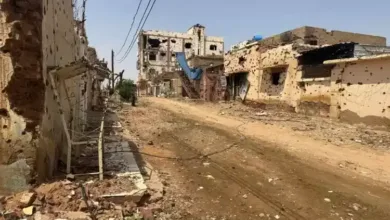
وتأثرت الخدمات الصحية في السودان كثيرا منذ اندلاع الحرب في أبريل نيسان الماضي، خاصة في ولاية الخرطوم وولايات إقليم دارفور بغرب البلاد.
وفي أغسطس الماضي، أعربت المفوضية السامية للأمم المتحدة لشؤون اللاجئين عن قلقها إزاء تدهور الأوضاع الصحية في السودان، خاصة في مخيمات اللاجئين وعند نقاط الدخول الحدودية ومراكز الاستقبال المؤقت في الدول المجاورة، والتي يصل إليها الأشخاص الفارون من الصراع.
Health services in Sudan have been greatly affected since the outbreak of war last April, especially in Khartoum State and the states of the Darfur region in the west of the country.
Last August, the United Nations High Commissioner for Refugees expressed its concern about the deteriorating health conditions in Sudan, especially in refugee camps, at border entry points and temporary reception centers in neighboring countries, where people fleeing the conflict arrive.
وكانت منظمة الصحية العالمية قد حذرت في بيانات سابقة من أن الأزمة الصحية في السودان وصلت إلى مستويات “خطيرة للغاية”، مشيرة إلى أن أكثر من ثلثي المستشفيات بات خارج الخدمة وسط تقارير متزايدة عن شن هجمات على المرافق الصحية.
The World Health Organization had warned in previous statements that the health crisis in Sudan had reached “extremely dangerous” levels, noting that more than two-thirds of hospitals were out of service amid increasing reports of attacks on health facilities.