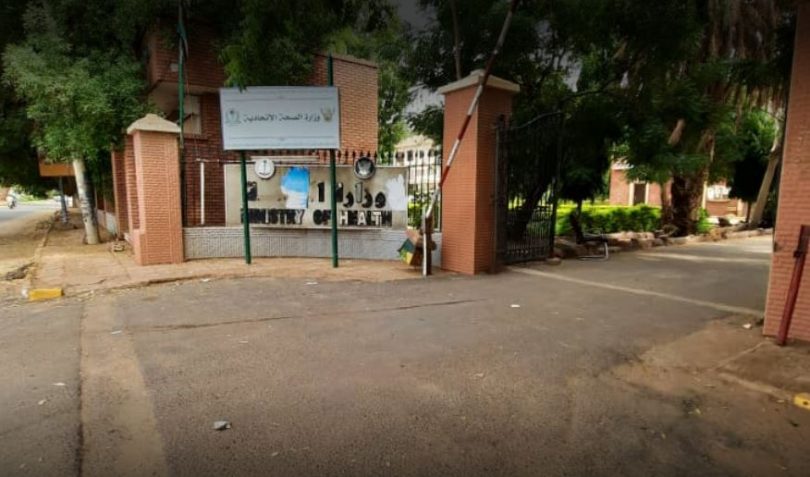
كشفت وزارة الصحة السودانية، الجمعة، عن 42 ألف متعايش مع فيروس نقص المناعة “الإيدز” في السودان يعاني أغلبيتهم من انعدام التشخيص أو العلاج في ظل الحرب.
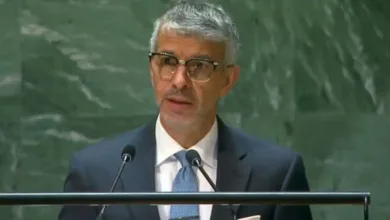
وقال وزير الصحة السوداني المكلف هيثم محمد إبراهيم في تعميم صحفي أن وبائية الإيدز في السودان ظلت تصنف كوباء منخفض طوال العشرة أعوام الأخيرة، حيث قدرت معدلات انتشار الإيدز وسط عامة السكان العام الماضي بحوالي 0,1% كما بلغ عدد الأفراد المتعايشين مع الفيروس في ذات العام بحوالي 42 ألف متعايش.
وأقر الوزير بوجود تحديات تواجه الحد من انتشار الإيدز، أبرزها الأزمات الاقتصادي وعدم استقرار البلاد والظروف الحالية المعقدة بجانب تأثر مرضى الإيدز بالحرب حيث تظل الغالبية بدون تشخيص أو علاج بالإضافة إلى انقطاعهم عن العلاج، مما يلزم الجميع ببذل الجهود للوصول للمرضى وتوفير العلاج لهم.
وأكد الوزير أن مرض الإيدز لا زال من المهددات الصحية في السودان، وأرجع ذلك لعدة أسباب منها عدم استقرار التجمعات السكانية ومجاورة البلاد لدول ذات معدلات إصابة عالية بالفيروس والتداخل بين دول الجوار وحركة النزوح والتجمعات السكانية، علاوة على الوصمة التي لا زالت تشكل هاجساً.
وأشار إلى أن الوزارة تتصدى للوباء من خلال تنفيذ البرامج والاستراتيجيات التي تستهدف الحد من انتشار المرض ممثلة في الفحص وتوفير العلاج وخدمات الفحص واستخدام استراتيجيات الوقاية.
وأوضح الوزير أن وزارة الصحة الاتحادية والمجتمع الدولي يعملان لمكافحة مرض الإيدز، مؤكدا أن الاهتمام بمرضى الإيدز تحقيقا لشعار “لن نترك احدا خلفنا”.
وشدد على ضرورة دور الرسالة الإعلامية الإيجابية في توعية المجتمعات ومكافحة الوصمة، وتابع “لا بد من تحديد الرسالة وطرق التواصل خاصة أن التوعية صمام الأمان في الحماية ومكافحة الوصمة”.
وأعلن الوزير عن أهداف التنمية السياسية المستدامة بحلول عام 2030 الخاصة بإنهاء مرض الإيدز بالسودان باعتباره تهديداً للصحة العامة وفق الاستراتيجيات الموضوعة.
وأكد الوزير التزام وزارة الصحة الاتحادية بتوفير معينات الفحص والعلاج بالإضافة إلى توفير خدمات نقل الدم الآمنة والإيفاء بمتطلبات مكافحة العدوى والتخلص السليم من النفايات الطبية وتقديم خدمات منع الانتقال الرأسي للفيروس من الأم المصابة إلى جنينها.
ودعا للعمل يداً بيد من أجل بلوغ التغطية الشاملة والقضاء على الإيدز.
ويعيش القطاع الصحي في السودان منذ سنوات في تدهور مستمر، ما جعل استجابته للأوبئة ضعيفة للغاية، وسط مخاوف من أن ينهار جراء الحرب المندلعة بين الجيش والدعم السريع منذ 15 أبريل هذا العام.
The Sudanese Ministry of Health revealed, on Friday, that there are 42,000 people living with HIV/AIDS in Sudan, the majority of whom suffer from a lack of diagnosis or treatment in light of the war.
Acting Sudanese Minister of Health, Haitham Mohamed Ibrahim, said in a press circular that the AIDS epidemic in Sudan has been classified as a low epidemic over the past ten years, as the prevalence of AIDS among the general population last year was estimated at about 0.1%, and the number of individuals living with the virus in the same year reached With about 42 thousand cohabitants.
The Minister acknowledged that there are challenges facing limiting the spread of AIDS, most notably the economic crises, the country’s instability, and the current complex circumstances, in addition to the impact of AIDS patients on war, as the majority remain without diagnosis or treatment in addition to their interruption of treatment, which requires everyone to make efforts to reach patients and provide them with treatment.
The Minister stressed that AIDS is still a health threat in Sudan, and attributed this to several reasons, including the instability of population centers, the country’s proximity to countries with high rates of infection with the virus, the overlap between neighboring countries, the movement of displacement and population centers, in addition to the stigma that is still a concern.
He pointed out that the Ministry is responding to the epidemic by implementing programs and strategies aimed at reducing the spread of the disease, represented by screening, providing treatment and screening services, and using prevention strategies.
The Minister explained that the Federal Ministry of Health and the international community are working to combat AIDS, stressing that attention to AIDS patients is in fulfillment of the slogan “We will not leave anyone behind.”
He stressed the necessity of the role of the positive media message in educating communities and combating stigma, and continued, “The message and methods of communication must be determined, especially since awareness is the safety valve in protection and combating stigma.”
The Minister announced sustainable political development goals by 2030 to end AIDS in Sudan as it is a threat to public health in accordance with established strategies.
The Minister affirmed the commitment of the Federal Ministry of Health to provide examination and treatment aids, in addition to providing safe blood transfusion services, meeting infection control requirements, proper disposal of medical waste, and providing services to prevent vertical transmission of the virus from an infected mother to her fetus.
He called for working hand in hand to achieve universal coverage and eliminate AIDS.
The health sector in Sudan has been in continuous deterioration for years, which has made its response to epidemics very weak, amid fears that it will collapse as a result of the war that has erupted between the army and the Rapid Support since April 15 this year.