أحلام طلاب الجامعات السودانية تتلاشى وسط نيران الحرب
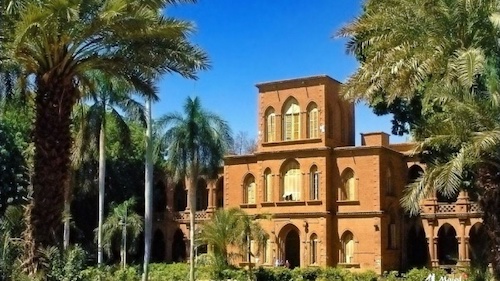
أثار حريق ضخم اندلع الأحد في أحد المباني الرئيسية لإحدى الجامعات في وسط العاصمة السودانية الخرطوم مخاوف كبيرة من عدم قدرة عدد كبير من الجامعات على استئناف الدراسة في المدى القريب؛ حتى إذا توقفت الحرب الحالية التي أدت إلى تعطيل الدراسة للشهر السادس على التوالي.
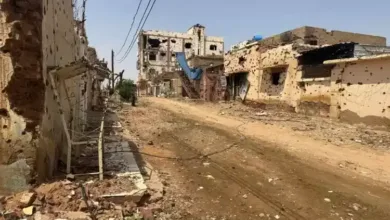
ويتزايد الإحباط في أوساط الطلاب مع استمرار الحرب الدائرة بين الجيش السوداني وقوات الدعم السريع؛ وسط مخاوف من ضياع السجلات الأكاديمية ومقتنيات المكتبات والمعامل الخاصة بعدد من الجامعات التي تعرضت لعمليات حرق وتخريب واسعة.
The meeting stressed the importance of accelerating the provision of the necessary requirements to begin issuing the identification documents
The governor said that efforts have been made to complete the justice system, as well as to provide the necessary services to citizens in safe areas and elsewhere, in addition to the humanitarian and social work carried out by the concerned departments.
ويدرس نحو مليون طالب في 155 جامعة وكلية متخصصة؛ يقع معظمها في مدن العاصمة الثلاثة – الخرطوم وأم درمان والخرطوم بحري – والتي تدور فيها اشتباكات واسعة عطلت كافة مناحي الحياة.
وعلى الرغم من تأكيد بعض الجامعات سلامة وثائق وسجلات طلابها إلا أن أكثر من 60 في المئة من الجامعات والمعاهد والكليات العليا المتخصصة الحكومية والأهلية تعرضت إلى التخريب خلال الحرب.
About one million students study in 155 universities and specialized colleges. Most of them are located in the three cities of the capital – Khartoum, Omdurman, and Khartoum Bahri – where widespread clashes are taking place that have disrupted all aspects of life.
Although some universities have confirmed the integrity of their students’ documents and records, more than 60 percent of governmental and private universities, institutes, and specialized higher colleges were exposed to sabotage during the war.
وعندما اندلعت الحرب في منتصف أبريل كان آلاف الطلاب يستعدون لتسليم مشاريع تخرجهم بعد أن تعطلوا أكثر من عام بسبب الظروف التي صاحبت اندلاع الثورة التي أطاحت بنظام عمر البشير في أبريل 2019.
ويقول محمد السر الذي يدرس في السنة الأخيرة في كلية العلوم بجامعة النيلين إن الحرب زادت من مأساة طلاب الجامعات الذين عانوا خلال السنوات الماضية من كثرة الإغلاقات.
ويوضح حسن لموقع سكاي نيوز عربية “كنا على وشك حصاد تعب السنين الطويلة لكن الحرب قضت على آمالنا ولم نعد نعرف متى ستستأنف الدراسة او ما الذي حدث لسجلات ومرافق الجامعات من مكتبات وخلافها“.
When the war broke out in mid-April, thousands of students were preparing to submit their graduation projects after being delayed for more than a year due to the circumstances that accompanied the outbreak of the revolution that overthrew the regime of Omar al-Bashir in April 2019.
Muhammad Al-Sir, who is studying in his final year at the College of Science at Al-Nilein University, says that the war has increased the tragedy of university students who have suffered during the past years from frequent closures.
Hassan explains to Sky News Arabia, “We were about to reap the fatigue of many years, but the war destroyed our hopes and we no longer know when studies will resume or what happened to university records and facilities, including libraries and other things.”
وفي حين بقي غالبية الطلاب في السودان يمارس بعضهم أعمالا هامشية لمساعدة أسرهم في ظل الظروف الاقتصادية الصعبة التي نجمت عن الحرب؛ فضل آخرون التضحية بالسنوات التي قضوها في جامعاتهم والهجرة إلى بلدان أخرى كمصر وأوغندا وكينيا لبدء دراساتهم الجامعية من المستوى الأول رغم أن بعضهم كان في مستويات متقدمة؛ في ظل صعوبة التحويل حيث فقدت جامعات كبيرة في البلاد التصنيف الأكاديمي المتقدم بسبب الدمار الكبير الذي لحق بمؤسسات التعليم العالي خلال العقود الثلاثة الماضية.
كما يواجه آلاف الطلاب أيضا مشكلة كبيرة في الحصول على أي مستندات أو وثائق تثبت تسجيلهم في الجامعات التي كانوا يدرسون فيها.
ويشير أشرف علي الذي فر من القتال مع أسرته إلى كينيا إلى أنه لم يعد أمامه مثل غيره من المئات الذين أجبروا على الفرار من الحرب أي خيار آخر سوى الالتحاق بجامعات في الخارج والتضحية بثلاث أو أربع سنوات من الدراسة في جامعاتهم الأصلية.
While the majority of students remained in Sudan, some of them practiced marginal work to help their families in light of the difficult economic conditions resulting from the war. Others preferred to sacrifice the years they spent at their universities and migrate to other countries such as Egypt, Uganda, and Kenya to begin their first-level university studies, even though some of them were at advanced levels. In light of the difficulty of transfer, as large universities in the country have lost their advanced academic classification due to the great destruction that has befallen higher education institutions over the past three decades.
Thousands of students also face a major problem in obtaining any documents proving their registration in the universities in which they were studying.
ويقول علي لموقع سكاي نيوز عربية إن الأمر يبدو صعبا بالنسبة للطالب الذي أكمل المستوى الثالث أو الثاني؛ لكن الانتظار قد يطول في ظل عدم وجود مؤشرات لوقف الحرب في المستقبل القريب وفي ظل الضبابية التي تحيط بأوضاع الجامعات نفسها.
ويرى الكثير من الطلاب السودانيين أن مستقبلهم بات على المحك بسبب تطاول مدة الإغلاقات؛ وسط أنباء عن ضياع مئات الآلاف من الملفات والوثائق الأكاديمية في عدد كبير من الجامعات التي تعرضت لأعمال نهب وحرق وتدمير واسعة.
Ali tells Sky News Arabia that the matter seems difficult for a student who has completed the third or second level; But the wait may be long in light of the lack of indications for stopping the war in the near future and in light of the uncertainty surrounding the conditions of the universities themselves.
Many Sudanese students believe that their future is at stake due to the prolonged closures. Amid reports of the loss of hundreds of thousands of academic files and documents in a large number of universities that were subjected to widespread looting, burning, and destruction.
ويعتقد مختصون أن إصلاح الدمار الكبير الذي لحق بالجامعات سيحتاج إلى سنين عديدة بعد انتهاء الحرب؛ خصوصا أن معظم الجامعات كانت تعاني أصلا من شح الموارد وضعف التمويل مما يجعل من الصعب تعويض الأضرار التي لحقت بالمكتبات والمعامل والمنشآت الأساسية والتي تحتاج إلى تكاليف عالية.
كما يتوقع أن تواجه الجامعات أزمة كبيرة في استعادة أعضاء هيئات التدريس وغيرهم من الكوادر المساعدة والذين اضطر معظمهم
للهجرة والعمل بجامعات ومؤسسات بحثية في الخارج.
Specialists believe that repairing the major damage to universities will take many years after the end of the war. Especially since most universities were already suffering from scarcity of resources and weak funding, which makes it difficult to compensate for the damage to libraries, laboratories, and basic facilities, which require high costs.
It is also expected that universities will face a major crisis in restoring faculty members and other supporting staff, most of whom were forced to To immigrate and work in universities and research institutions abroad