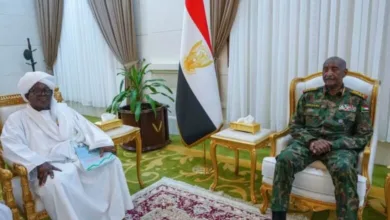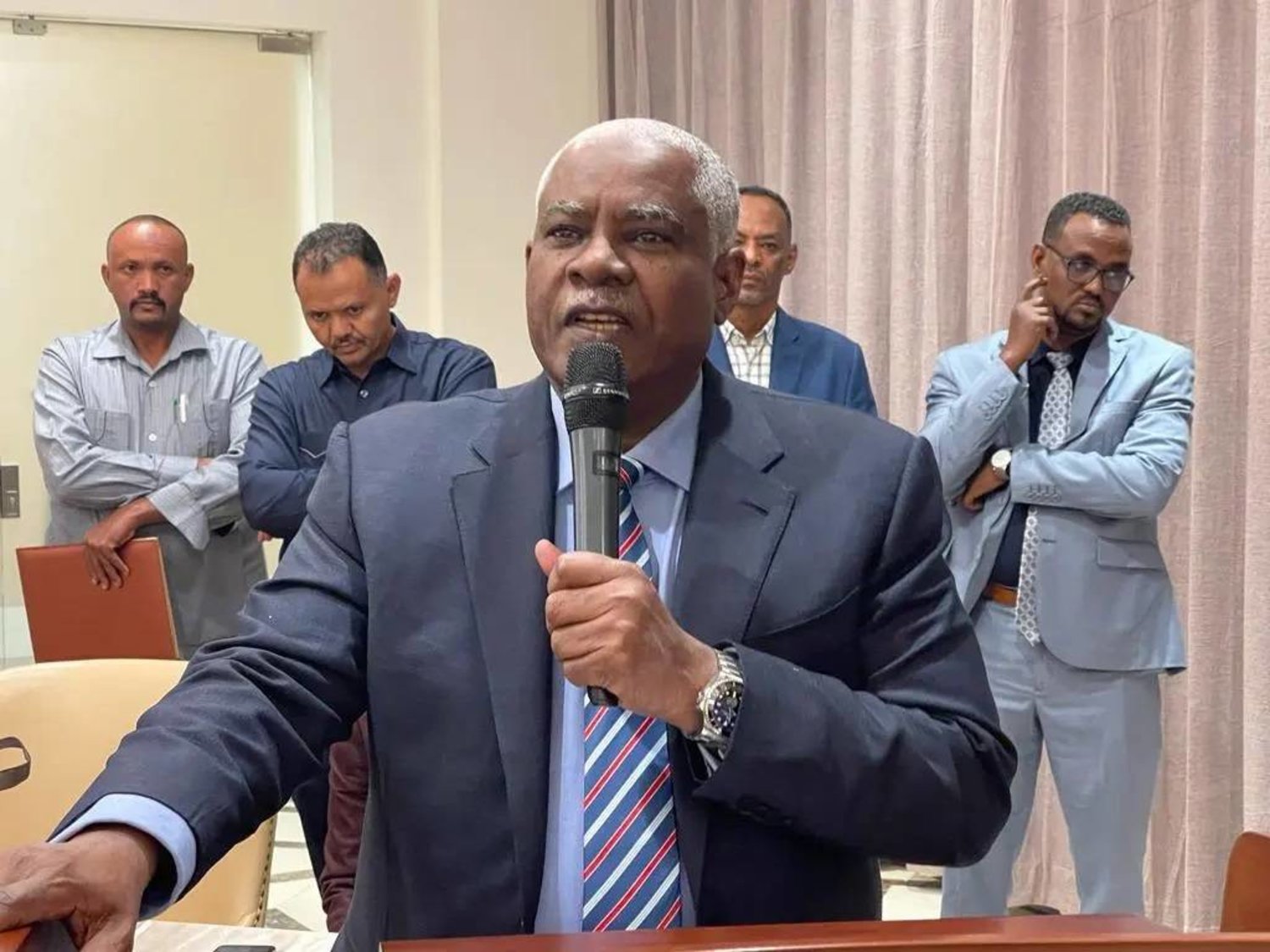
A meeting between representatives of the “Army” and “Rapid Support” in Addis Ababa
Identical sources revealed a meeting between the director of the Sudanese General Intelligence Service, Lieutenant General Ahmed Ibrahim Mufaddal, and the legal advisor to the Rapid Support Forces, Mohamed Al-Mukhtar, in the Ethiopian capital, Addis Ababa, during the past few days, in which they discussed the circumstances of the ongoing war in the country and ways to stop it.
The sources, who insisted on concealing their identity, reported that a serious discussion took place between the two men, about the situation in the country and the effects of the ongoing war, and the dire consequences that the current conflicts could lead to that threaten the security and safety of the entire country. The sources hinted at the existence of a division in positions within the army leadership cabin regarding what is happening in the country, confirming the “involvement” of the army in the war by the Islamic Movement by influencing influential military leaders within it.
The source stated that Lieutenant General Mufadal conveyed to the chosen advisor the existence of a serious desire from leaders in the Sudanese army to open channels of communication with the Rapid Support Forces, the aim of which is to put an end to the war that has been going on in the country since mid-April. Press sources told Asharq Al-Awsat that the Sudanese intelligence director, Lieutenant General Mufaddal, visited the Ethiopian capital, Addis Ababa, last week on a secret visit, and from there he headed to the Egyptian capital, Cairo, at a time when the visit coincided with the presence of Rapid Support Advisor Muhammad Mukhtar in Addis Ababa.
In a phone call, conducted by Asharq Al-Awsat, the Rapid Support Advisor, Muhammad Mukhtar, refused to provide any information about his activity in the Ethiopian capital in recent days, and whether he had met Lieutenant General Mufaddal or not, and said that “what happened during his visit to Addis Ababa was not too late.” Reveal it. The sources reported that there was resentment and distress in the army’s corridors regarding the dominance, interference and influence of the former regime’s Islamist leaders in decisions within the army, especially their refusal to stop the war and their adherence to the continuation of fighting between the army and the Rapid Support Forces.